
Mission & PurposeMissions
Spain as amission field
Spain has a church on every square and centuries of Christian history. So why talk about Spain as a mission field? Here is an honest answer.
By the YWAM Cáceres team
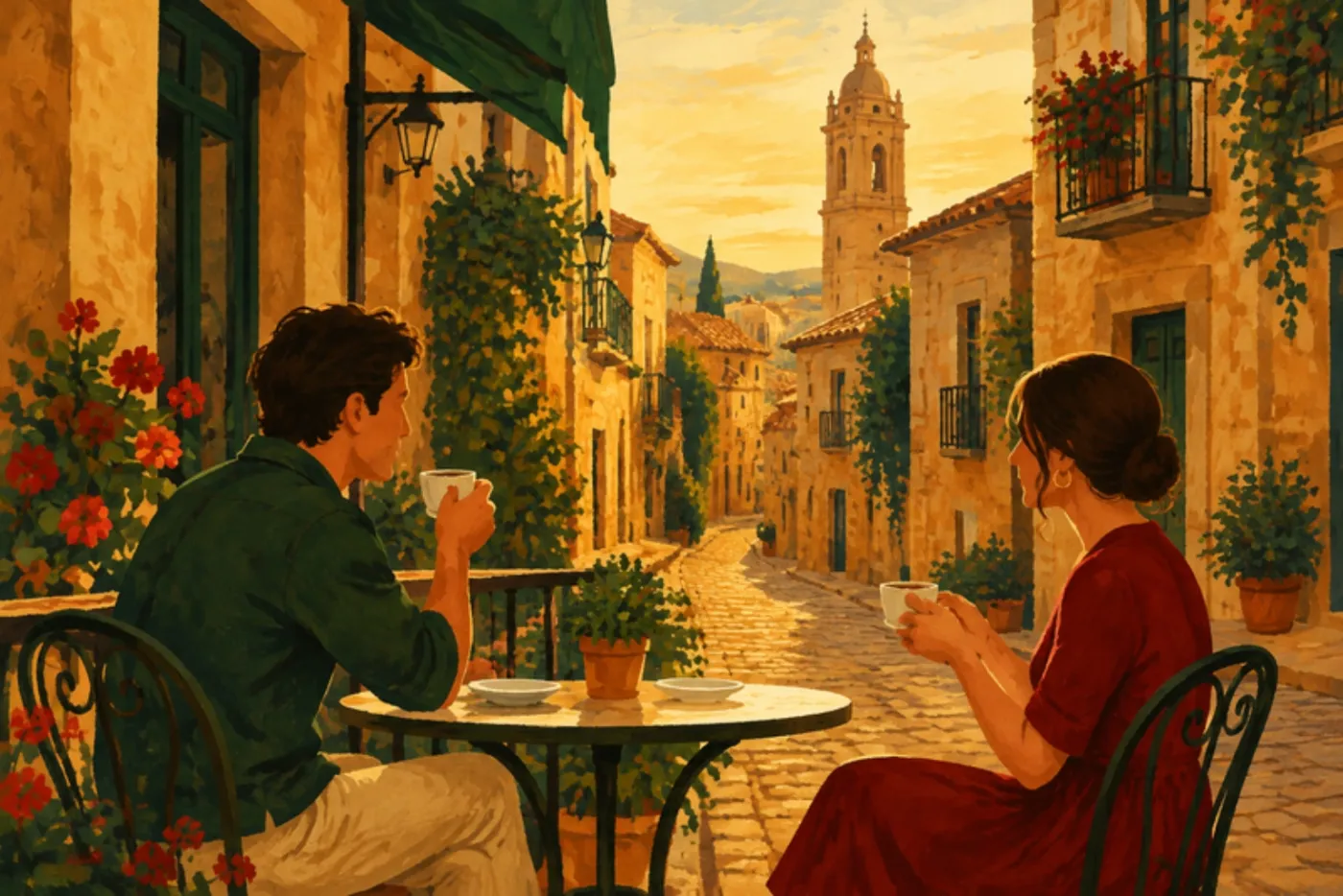
Spain is a mission field because, although its history and culture are deeply shaped by Christianity, many people today live without a personal relationship with Jesus and without really knowing the Gospel. Calling Spain a mission field does not mean looking down on its heritage of faith. It means recognising, with love and realism, that every generation needs to meet Christ for itself.
Why is Spain considered a mission field?
Walk through any Spanish town and you will see cathedrals, chapels, crosses and processions. Christianity has shaped the calendar, the art, the architecture and many family traditions. But faith being present in the culture does not always mean faith is alive in people's hearts.
Over the last few decades Spain has gone through rapid secularisation. For many people, religion belongs to the past, to their grandparents, or to special occasions like weddings and funerals. Some still call themselves believers but rarely think about God in daily life, and a growing number do not identify with any faith at all.
On top of that, evangelical churches are a small minority in the country. Many towns and neighbourhoods have no evangelical community nearby, and many people have never had a relaxed conversation with someone who talks about Jesus as someone alive and present.
A little history to understand the present
Understanding the history helps you serve with humility. For centuries, Spanish identity was closely tied to the Catholic Church, and for much of the twentieth century Protestant Christians faced serious restrictions on meeting and expressing their faith in public. The 1978 Constitution recognised religious freedom, and a great deal has changed since then.
That history has left its mark. Some people associate faith with power, obligation or painful experiences. Others are wary of anything that looks like "a sect". That is why, in Spain, the Gospel is best shared with patience, genuine relationships and a consistent life, rather than with speeches.
Challenges of mission in Spain
- Indifference more than rejection. Often the barrier is not hostility but a sense that faith has nothing to say to real life.
- Misconceptions about evangelicals. Many Spaniards know little about evangelical churches and may view them with suspicion.
- Relationships take time. Friendship runs deep in Spain, but it is built slowly, around the table, in the street, at a café terrace.
- Small churches. Many local congregations are small and are very grateful for people who come to serve alongside them.
Opportunities for the Gospel in Spain
The challenges are real, but so are the opportunities. Spanish culture values community, conversation, family and hospitality. These are natural spaces where the love of Jesus can be shown and shared.
Spain is also a meeting point of nations. People from Latin America, Africa, Eastern Europe and many other places live here, and many churches are already multicultural communities. Mission in Spain is not only something that comes from outside: many believers who have moved to the country have become a living part of local churches.
Then there is art and culture. Spain has an enormous artistic heritage, and art touches deep questions about beauty, suffering and hope. That is one reason the arts have a special place in how we serve at YWAM Cáceres.
In Romans 10:14 Paul asks a question that still stands: how can people believe in someone they have never heard of, and how will they hear unless someone tells them?
What mission looks like in a Spanish city
At YWAM Cáceres we have been serving since 2009 in a mid-sized city in Extremadura, in western Spain. Our work is simple and everyday: we support local churches, share the Gospel through friendships, serve in care homes, give out Bibles, and run artists' gatherings, open mics and an English conversation club.
We are not after big events, but presence. We want to be neighbours who love the city, who have coffee with people, who listen, and who live lives of integrity and love. You can find out more about the city on our Why Cáceres page.
How can you get involved?
If you sense God putting Spain on your heart, there are several ways to start. You can pray for the country and for Spanish churches. You can connect with missionaries and bases already here. And you can come for a season of mission to see the reality up close.
That is what Immersion 90 is for: 90 days in Cáceres for Christians with a calling or an interest in missions in Spain and Europe. You live the everyday life of the base, take part in the ministries, learn Spanish, get to know the country's culture and history, and connect with local churches and communities.
Sensing God putting Spain on your heart?
With Immersion 90 you spend 90 days in Cáceres experiencing mission from the inside: taking part in the base's ministries, learning Spanish and getting to know Spain's culture and churches.
Write to us to find out the next dates and the cost.