
Mission & PurposeFaith & Life
Faith and anxietyin young adults
Feeling anxious doesn't mean you lack faith. A pastoral reflection for young Christians who struggle with anxiety and want to care for both mind and soul.
By the YWAM Cáceres team
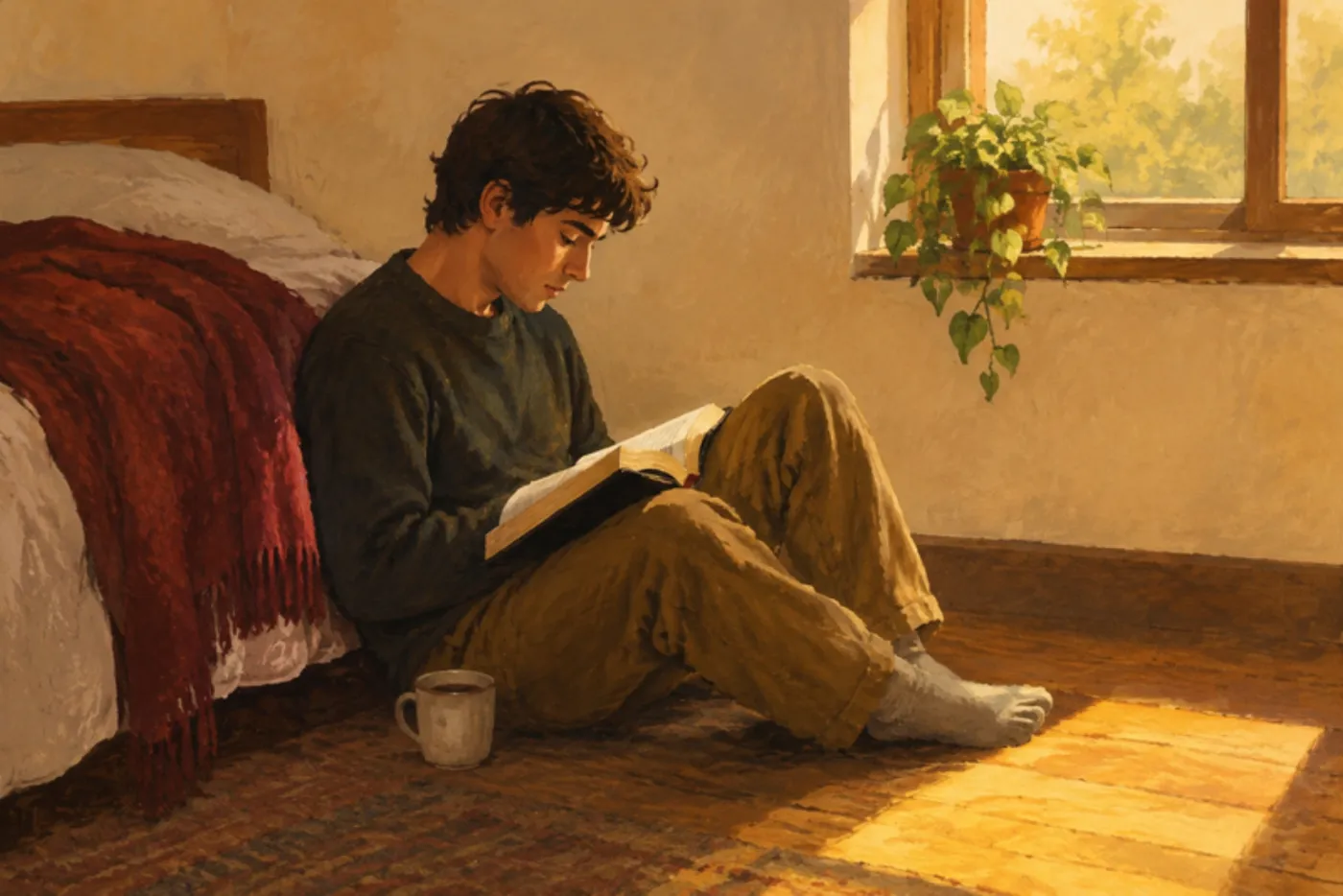
Faith and anxiety can live in the same person, and that doesn't make you a bad Christian. Many young adults who love God feel a tight chest, can't sleep, or carry a constant worry they can't quite explain. If that's you, this article isn't here to offer a quick fix, but to walk with you honestly.
One important note before we start: this is a pastoral reflection, not medical advice. Anxiety is real, and sometimes it needs the care of health professionals.
Does having anxiety mean I don't have enough faith?
No. This is one of the most harmful ideas in some Christian circles. Anxiety has many possible causes: physical, emotional, family-related, or simply hard circumstances. Feeling it is not proof that God is far away or that you have failed.
The Bible doesn't hide strong emotions. The Psalms are full of prayers born out of distress. The prophet Elijah, right after a great victory, was so exhausted that he asked to die, and God didn't scold him: He fed him, let him sleep, and then spoke to him gently (1 Kings 19). Jesus Himself felt deep anguish in Gethsemane (Matthew 26:38).
God doesn't pull away from people who are hurting. Psalm 34:18 says He is close to the brokenhearted.
What does the Bible say about anxiety?
Some well-known passages talk about not being anxious, like Philippians 4:6-7, where Paul encourages us to bring everything to God in prayer, with thanksgiving, and promises a peace beyond our understanding. Or 1 Peter 5:7, which invites us to throw all our worries on God because He cares for us.
These verses are an invitation, not an accusation. They don't say "if you worry, you're sinning". They say "you don't have to carry this alone". Using them to shame someone with anxiety is reading them backwards.
Prayer doesn't always make symptoms disappear right away. But it does remind us we're not alone, and God often answers through people: a friend, a pastor, a doctor or a therapist.
When should I get professional help?
Seeing a professional is not a lack of faith, any more than going to a doctor with a broken bone is. It's wise to talk to your doctor or a licensed counsellor or psychologist if you notice that:
- The anxiety lasts for weeks and doesn't improve with rest or when circumstances change.
- It affects daily life: studying, working, eating, sleeping or being with people gets hard.
- You have strong physical symptoms, such as a racing heart, feeling like you can't breathe, or panic attacks.
- You avoid places or people because you're afraid of feeling bad.
- You're isolating yourself or feel like nobody cares.
If you ever have thoughts of harming yourself or ending your life, don't wait: call your local emergency services or go to the nearest emergency room. In Spain and across the EU, the emergency number is 112, and Spain also has the 024 suicide prevention line. Wherever you live, find your local emergency or crisis number and reach out to someone you trust.
The role of the church and community
Anxiety grows in isolation. That's why a Christian community can be a place of relief, as long as it's a safe space where people can speak without fear of being judged.
Talk to your pastor or a leader you trust. They don't need to be mental health experts to listen, pray with you and help you find the right support. Ideally, pastoral care and professional care work together rather than compete.
And if you're the one supporting someone with anxiety, remember that listening is worth more than quick answers. Lines like "you just need to pray more" usually do more harm than good.
Small habits that can help
They don't replace professional help, but many people find support in simple habits:
- Look after your body: get enough sleep, eat regularly, move, and spend time walking outdoors.
- Turn down the noise: set limits on your phone and social media, especially before bed.
- Pray honestly: tell God what you really feel, the way the Psalms do, without faking a peace you don't have.
- Live one day at a time: Jesus invites us not to carry tomorrow's worries today (Matthew 6:34).
- Don't walk alone: keep two or three people close whom you can message when a day gets heavy.
Hope for the road ahead
We can't promise that anxiety will disappear overnight. For many people it's a long process, with progress and setbacks. But we can tell you that your worth doesn't depend on how well you feel, and that God doesn't grow tired of you on the hard days.
Asking for help is an act of courage, and of faith too. If you'd like to know who we are and how we live out our faith in community, you can read more about YWAM Cáceres.
Would you like to talk to someone?
If you feel alone in this and would like someone to pray with you or simply listen, you can write to us. We are not a mental health service and we don't replace professional help, but we care about your life and we're happy to stand with you in prayer.
If you are in danger or having thoughts of harming yourself, call your local emergency services now (112 in Spain and the EU).