
Mission & PurposeArt & Faith
Art and missionsYour gifts in God's service
Art can open doors where words can't reach. Here is how to use your artistic gifts in cross-cultural missions, with humility and both feet on the ground.
By the YWAM Cáceres team
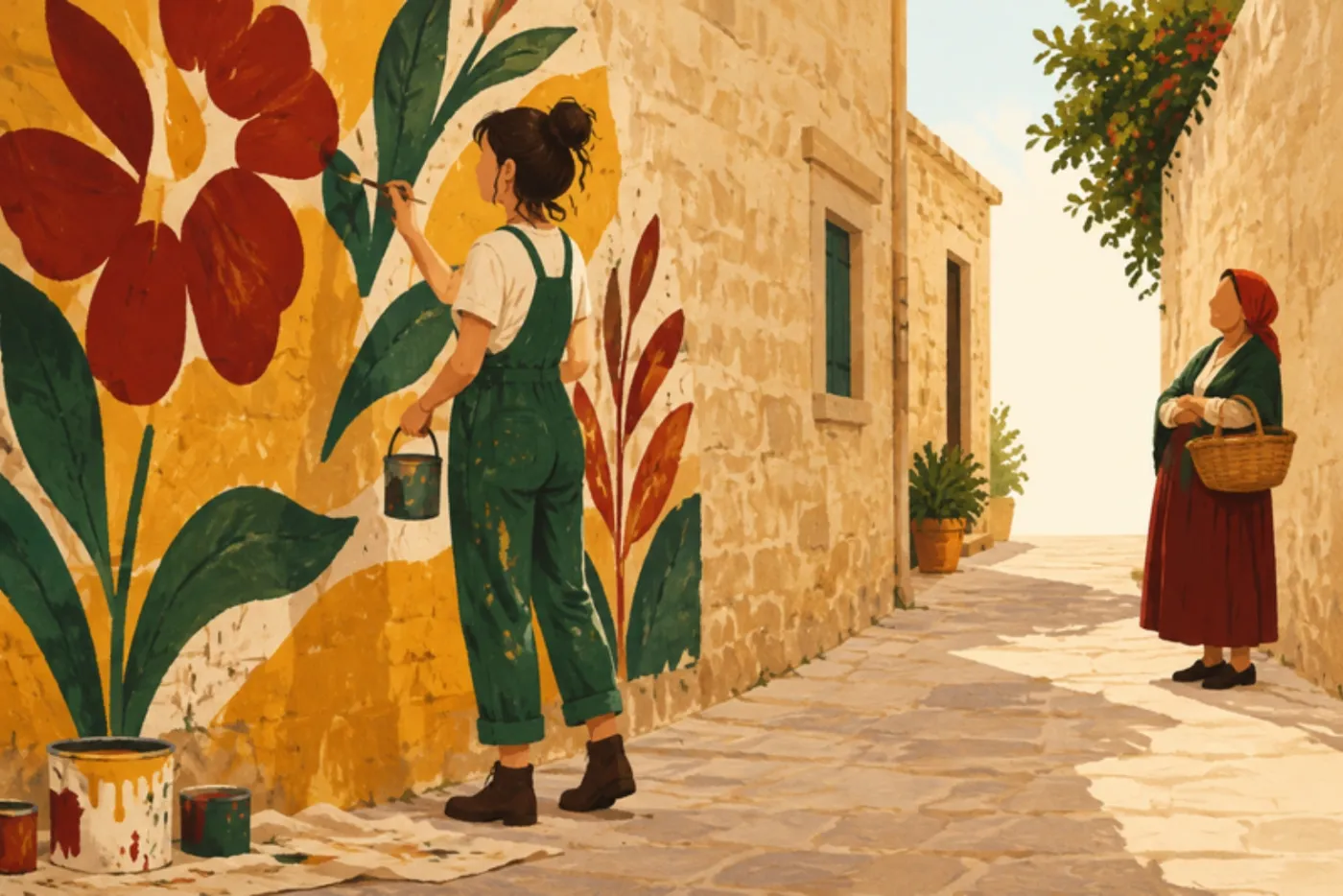
Using your artistic gifts in missions means putting your music, theatre, dance or visual art at the service of what God is doing among other peoples and cultures. It is not about decorating a mission trip. It is about using art as a language that opens doors, creates real encounters and helps the Gospel make sense in places where words alone fall short.
We won't repeat here why art matters to faith (we cover that in Art & Faith). This article is more practical: what does art look like when you leave your own setting and serve in another culture?
What does art have to do with God's mission?
Mission starts in God's heart, not in our strategies. Jesus sent his disciples to all nations (Matthew 28:19), and every nation has its own way of singing, telling stories, celebrating and grieving. Art is part of that cultural identity.
When a Christian artist enters another culture with humility, their art can become a bridge. A song, a theatre scene or a mural does not replace the proclamation of the Gospel, but it can prepare the ground, raise questions and show that faith has something to say about beauty, pain and hope.
Art as a bridge between cultures
One of art's great strengths in missions is that it doesn't always depend on language. Body expression, mime, instrumental music and visual art can reach people who don't speak your language. A well-crafted gesture is understood in a European square and in an African market.
The apostle Paul gives us a clue in Athens (Acts 17). Before he spoke, he walked the city, noticed its altars and quoted the Athenians' own poets to explain who God is. He started from what people already knew and valued. A missionary artist does something similar: looking for points of contact in the local culture so the message doesn't sound foreign.
Listen before you create: learning from local art
A common mistake is to arrive with a show rehearsed back home and perform it the same way everywhere. Cross-cultural mission calls for a different posture: listen first. What music do people play in the street? What stories do the elders tell? What themes show up in the country's contemporary art?
This is sometimes called cultural exegesis: reading a culture carefully, the way we read a biblical text. On the SCART outreach, for example, students visit museums, exhibitions and performances where they serve, and then talk together about what they saw, heard and felt. That respectful, critical engagement helps create art that speaks with people rather than at them.
Practical ways to use your gifts on a mission trip
Art in missions can take many forms. Here are some of the most common:
- Group productions: a show or artistic piece where the whole team takes part, on or off stage, presented in cultural centres, theatres or churches.
- Short street pieces: brief theatre, music or dance numbers that draw in passers-by and open up spontaneous conversations.
- Workshops for local churches: teaching theatre, visual arts or body expression to leaders and young people so they keep using art after the team leaves.
- Collaborating with local artists: making something together, learning from their craft and building friendships that outlast a single trip.
- Open spaces: open mics, exhibitions or artist gatherings where anyone can share their work and talk about it.
At YWAM Cáceres we have served our city through art teams, open mics and artist gatherings, and we believe the same tools work in other contexts when they are adapted with care.
A word of caution: art that serves, not art that shows off
Art in missions carries a risk: turning into a showcase for our talent. Jesus washed his disciples' feet (John 13) and called us to serve. A missionary artist keeps asking whether the work points to God and blesses people, or whether it is chasing applause.
Respect matters too. Not every symbol, costume or style can be used lightly; some carry deep meaning for the local culture. And art should never manipulate emotions to get quick decisions. The truth and beauty of the Gospel don't need tricks.
Finally, think long term. A short-term team comes and goes, but the local church stays. The best missionary art strengthens that church, inspires it and leaves it with tools.
How can you prepare to serve with your art?
You don't need to be a professional artist to start, but you do need a teachable heart. Preparing means growing in your relationship with God, knowing the Bible well, developing your craft and learning to work in a team with people who are different from you.
SCART, the School of Culture and Art, exists for exactly this. During three months in Cáceres there are lectures such as "Art, culture and discipling nations" and "Biblical worldview and cultural exegesis", plus weekly workshops in theatre, body expression and visual arts. Then a two-month outreach takes that learning to the streets, stages and churches, wherever God opens the doors.
Want to serve God with your art?
SCART is a 5-month school to deepen your artistic calling, build a solid biblical foundation and take your art into missions. You don't need to be a professional.
The next school doesn't have a date yet, so write to us and we'll let you know when applications open.